Jallikattu — Finding Closure from an Unborn Story
One need not always find what inspired a thought. Not all thoughts find their tributaries. Some are left behind — either willingly or subconsciously. In film, it is often said that if you have a beginning and an end, then there is a story in it. A newsroom thumb rule is that if you can’t express an idea in two sentences, then there is no story in it.
A decade into filmmaking, having straddled both non-fiction and fiction worlds, there ought to be regrets when one looks back. For a filmmaker, unfulfilled ideas are the biggest source of regret — ideas that excited you, yet did not see the light of day. For an artist, it is their work that ages them. The pain, struggle, and jubilation are the emotions that keep an artist going.
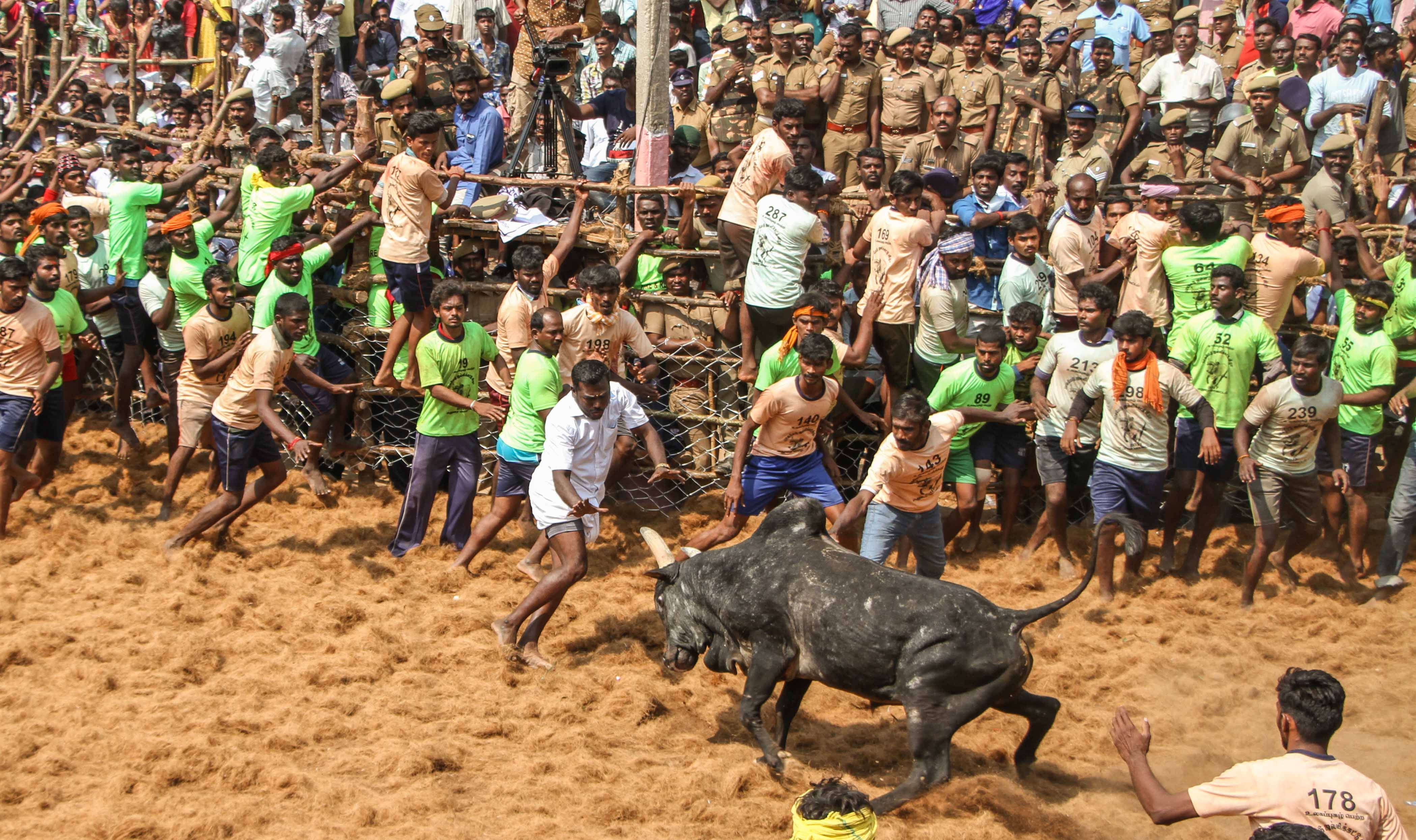
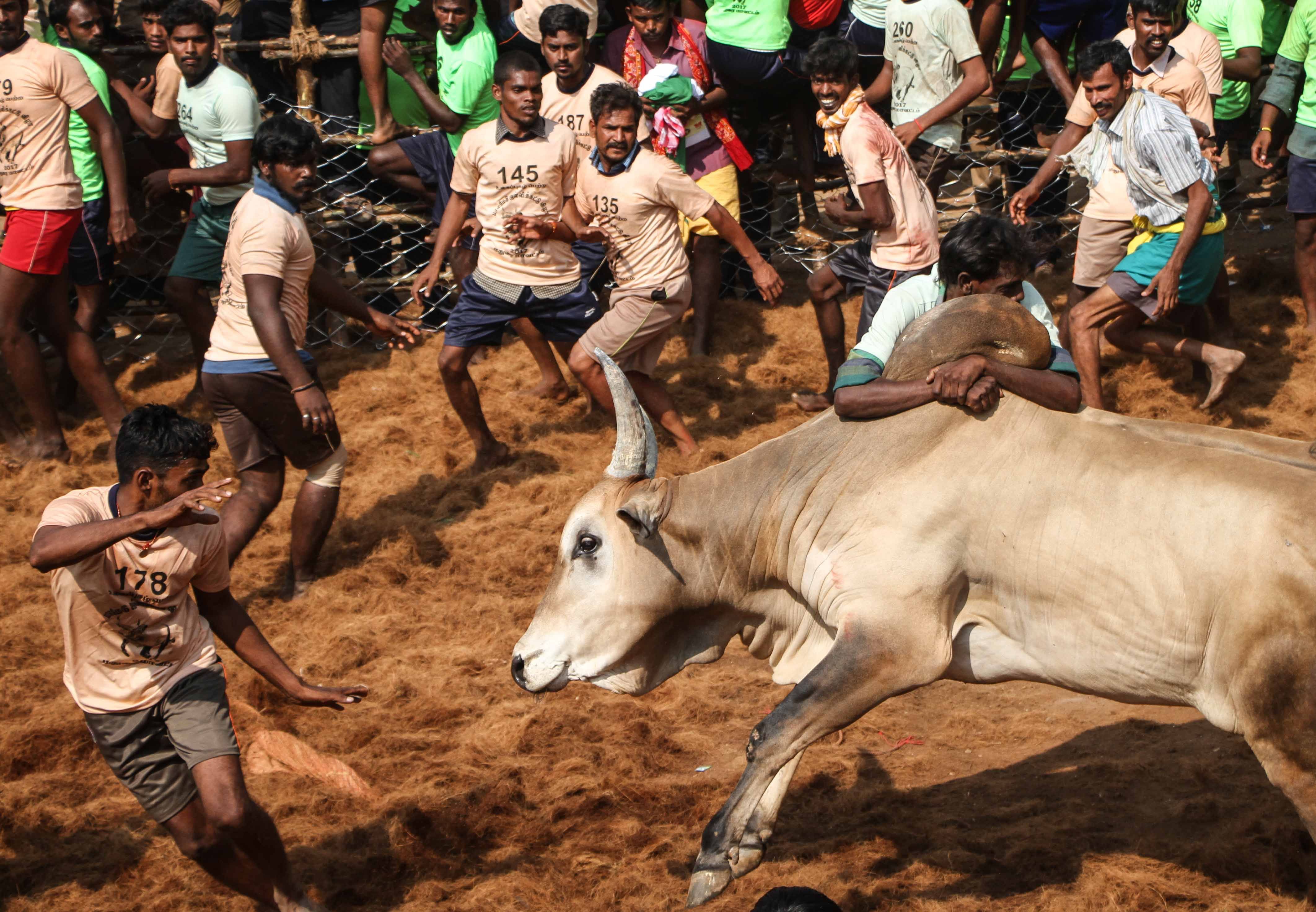
When he was a reporter at The Indian Express, my brother Don Sebastian wrote a feature story on Jallikattu. Accompanied by eye-catching photographs, the story caught my attention. In my school days, it was the visual spectacle of the event that first hooked me. The socio-cultural layers ingrained in it became apparent as I travelled to the rural Jallikattu belts of Tamil Nadu.
Until then, a Pongal-related revelry confined to select pockets of Tamil Nadu, Jallikattu caught national attention when the Supreme Court of India banned the traditional bull-taming sport after People for the Ethical Treatment of Animals accused it of animal cruelty and risks to human life.
What happens when law and tradition lock horns? This was not the first time such sentiments had run high, when Tamil pride was interpreted as being under attack from the north. Sudha Kongara’s Parasakthi has reignited discussions on the anti-Hindi imposition struggles of the 1960s — a movement that left lasting impacts on Tamil Nadu’s socio-political landscape.
Ever since the ban came into being, every Pongal season became a point of tension. The Tamil community rose in protest, demanding the conduct of Jallikattu. While authorities did their best to quell the protests, at a certain point the emotions swelled into a mass movement. It was when the protests reached Marina Beach — when thousands assembled there — that the government realised the intensity.
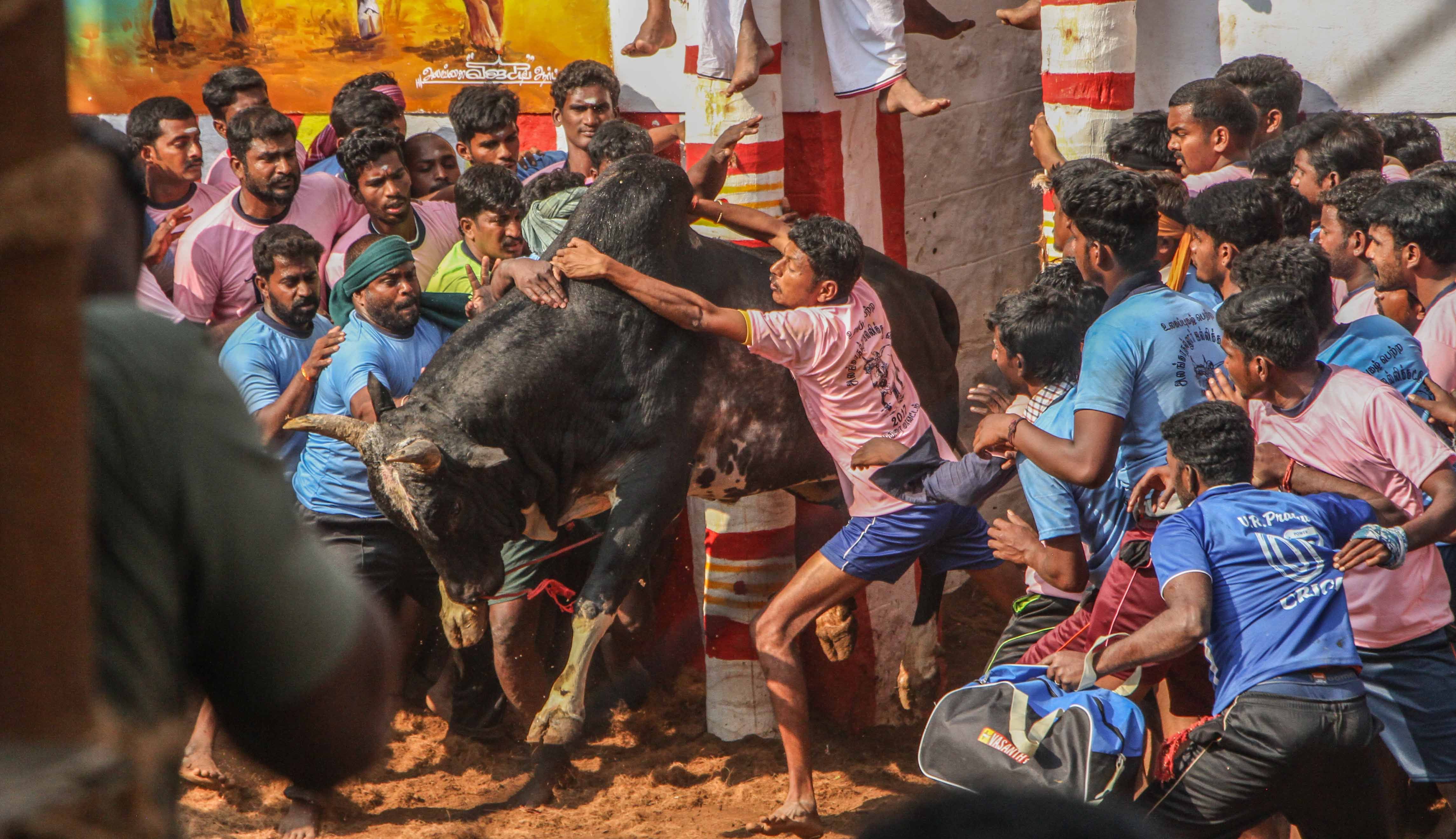
As the legal tussle and national debates progressed, I used the opportunity to travel to the hotspots — especially in and around Madurai and Dindigul districts — to listen to voices from the grassroots. Bull owners who treated their animals like family members, and valiant bull tamers training for the event, felt that the power corridors and courtrooms of Delhi never understood Tamil emotions and continued to betray them — a rhetoric Tamil political parties often capitalised on for electoral gains.
It was a chance meeting with a 30-year-old bull tamer named Kalidas, who lived on the outskirts of Madurai, that hooked me to the story. A family man and father to a five-year-old daughter, Kalidas could not resist the temptation to take part in Jallikattu despite suffering severe blows in past events that had nearly cost him his life. As the Jallikattu season approached, Kalidas would open his trunks to take out his training jersey. He would practise with his friends in a nearby ground — a tied bull at the centre, and the group attempting to touch the bull and run before it playfully tried to lock horns.
As successive years passed without Jallikattu being held, I continued visiting Kalidas, and he introduced me to bull owners who waited in anticipation. Along the way, I filmed their interviews as they shared their angst, anxiety, disappointment, and hope that one day the legal battle would go in their favour.
With multiple visits, I sensed the possibility of a long-form film. Long-form documentaries are always about patience. It is about waiting for the right moment to unfold before your lens. The thrill is that we never know when that moment will come. It is not for the impatient who immediately seek rewards and count the number of views. This was a period before the onslaught of reel-making. I wanted this to be a departure from my usual style of shorter films. I often discussed with friends whether this preference had anything to do with the immediate reward-driven work culture the world was tuning into.
It was a journey unlike before — no funding, no guarantee from a production house. It was pure instinct. Every Pongal season, we headed to the temple town of Madurai. The busy lanes around the Meenakshi Amman Temple were always teeming with people. We often heard people tuning into 80s–90s Ilaiyaraaja tracks. Life felt slow here. Kothu porotta, sumptuous meals, and some Jigarthanda to beat the heat proved to be sought-after combinations. Old-school lodges with mosaic flooring and narrow single-bed rooms became transit points.
As the footage piled up, the narrative became clear. A documentary filmmaker need not be objective. It is not journalistic work, and filmmakers are allowed to take sides. While I was trying to remain neutral, the human-centred storytelling made me look deeper into Tamil sentiments and the cultural value Jallikattu holds.
We visited Cumbum, where stud calves are raised in the mountains. These were random encounters — my friend Praveen and I got off a bus at Cumbum junction and picked up leads by asking locals. We were led to a community temple hall to sleep for the night and later visit a person rearing Jallikattu calves to be sold to potential buyers. The next morning, it was a sight to behold — bulls walking along village lanes as people respectfully gave way, being herded to open grasslands for their morning feed. We traced the bull’s journey from the hills of Cumbum to the temple playing arenas of Madurai.
A photo essay for Open Magazine, long-form pieces for The Caravan, UCANews, and Manorama Online emerged from my visits. However, the planned film never saw the light of day. That is the danger with independent productions. When there is no client pushing you and no imminent deadlines, motivation dries up and procrastination takes root.
For a writer or filmmaker, the inspiration quotient of a story has a time window. Once it lies exposed for too long, it grows cold and no longer demands attention. Every time I check my hard drive collection, the folder bearing Jallikattu footage triggers the thought of a long-lost opportunity. Has the time we — and the people we filmed — invested become a waste? Maybe not.
In the pathways of an artist, ideas bounce. Some are received, others pursued. Some remain unborn. But while accepting this for what it is, what matters is not making the same mistake again.
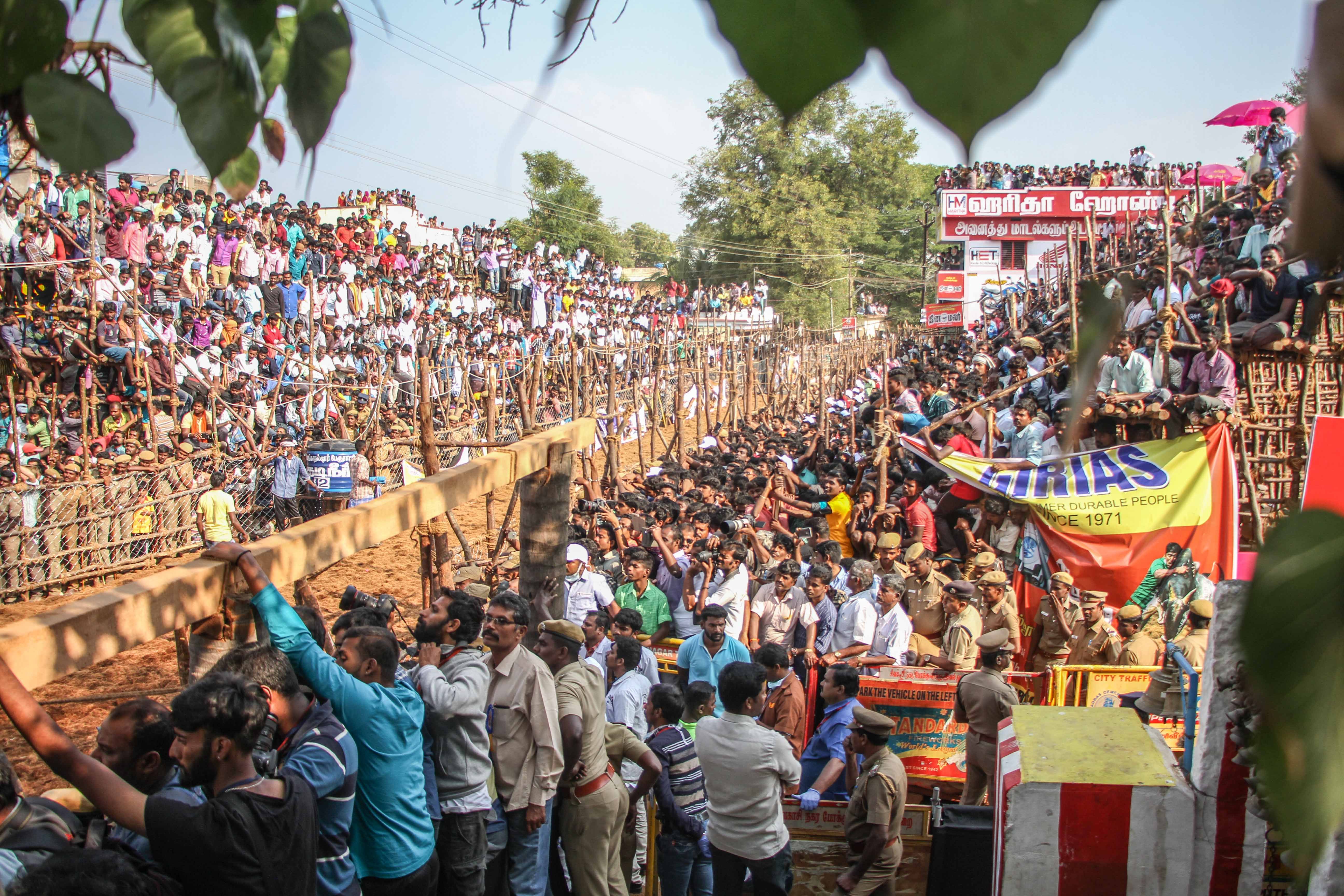
Since 2017, Jallikattu has been held annually without legal tussles, thanks to a state ordinance. The law-versus-tradition battle is no longer central. What grabs news headlines today are the animated scenes of the arena and the occasional casualties that accompany it. Jallikattu events have regained their spectacle, with news channels setting up professional live telecast mechanisms.
-End-